
Book Book an Appointment Call Call Us Map View Map

Emergency Dentist — South Portland, ME

Quickly Resolving Your Dental Pain

Our team here at Gannett Drive Dental is ready to help all of our patients in the event of a dental emergency. We understand that unforeseen incidents can occur, whether it’s a long-term infection that’s been slowly worsening, or a sudden physical injury that’s caught you off-guard. That’s why we strive to provide effective and accessible emergency dental care for those in South Portland. Although our emergency services are primarily for our existing patients, we will do our best to accommodate new patients as well! To learn more about our emergency dentistry services, we invite you to contact us today! 

Why Choose Gannett Drive Dental for Emergency Dental Care?

  • Same-Day Appointments Available
  • Friendly & Experienced Dental Team
  • Dental Insurance Friendly & Flexible Financing Welcome

What to Do in a Dental Emergency

A young man with tooth pain.

When you experience a dental emergency, the world can seemingly come to a screeching halt—but you should remember that time is of the essence! Here are three easy-to-follow steps to keep in mind whenever you’re experiencing a dental emergency:

  1. Call Our Office – There’s no sense in waiting around for your emergency to resolve itself—it won’t! That’s why you shouldn’t wait to contact our office upon suffering a dental emergency. We’ll let you know when you need to come in and what you can expect. In the meantime, we can provide you with instructions over the phone concerning how to alleviate any discomfort.
  2. Attend Your Appointment – Once you’ve arrived at our office, we can begin assisting you by performing an emergency exam, in which we’ll determine the severity of your situation. Sometimes we’ll take X-rays to help with this; based on our findings, we’ll begin drawing up your customized treatment plan.
  3. Get Your Smile Back on Track – Your comfort is our top priority, so you can rest assured that during your appointment, we’ll quickly work to relieve your pain and begin resolving the issue at hand. Some common services that we often render during emergency care include things like root canal therapy, fillings, and more—but as daunting as some of these options might sound, you should know that they’ll undoubtedly help to get your smile back on track!

The Most Common Dental Emergencies

Whether your situation is the result of poor oral health, physical trauma, or something else entirely, we’re ready to provide you with the care you need! But since every dental emergency has different circumstances, you should call us and describe your symptoms before coming in; this way, we’re working with as much information as possible to come up with the best course of action. While you’re waiting for your emergency appointment, here’s more about a few common dental emergencies and some things you can do to alleviate your discomfort and remain at ease:

Understanding the Cost of Dental Emergencies 
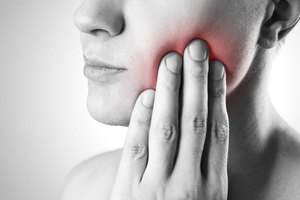
A woman with dental pain.

Treating a dental emergency can vary greatly in cost, as it always depends on the nature of the emergency. For instance, a simple cavity might only require a filling, whereas an advanced cavity could require root canal therapy coupled with a restorative dental crown; the latter treatment will generally cost more. But no matter your total cost of care, we can work with you to come up with a plan that’s within your financial means. Once you’ve been examined, we’ll be able to provide you with a more detailed price estimate.

How to Prevent Dental Emergencies

 A child with a bleeding mouth.

Even though dental emergencies can happen anytime without discretion, they can also be easily avoided if you take the right preventive measures. Consider the following tips:

  • Brush your teeth twice a day using a soft-bristled toothbrush coupled with fluoridated toothpaste.
  • Floss daily; the habit is just as important as brushing.
  • Visit our office every six months for a routine checkup and cleaning.
  • Avoid biting directly into very hard foods such as ice cubes, popcorn kernels, hard candies, etc.
  • Never use your teeth as tools to open packaging, untwist bottlecaps, or cut a strand of tape.
  • Wear a protective mouthguard if you participate in contact sports, or a nightguard if you suffer from bruxism (teeth grinding).

Emergency Dentistry FAQs

What Counts as a Dental Emergency?

Not all dental emergencies are the same. For example, a toothache due to poor oral hygiene is quite different from a sudden injury that results in a broken or knocked-out tooth. Sometimes it can be difficult to know just which problems warrant calling your emergency dentist. The most common signs that you need emergency treatment are:

  • Intense pain and discomfort
  • Bleeding from the mouth
  • Teeth that are loose, broken, or missing entirely

Even if you’re not sure whether what you’re dealing with is a dental emergency, it’s best to err on the side of caution and give us a call anyway. Ignoring a minor issue like a toothache could result in significantly worse problems down the road.

Do I Still Need Treatment If My Toothache Goes Away?

At first, you might feel relieved that your tooth pain has subsided all of a sudden. If you didn’t know any better, you might be under the impression that whatever oral health problem you were experiencing has cured itself. Unfortunately, that is not usually the case. If the pain was due to an infection, your trouble is far from over. A sudden loss of pain could mean that the infection has spread to the nerve in the center of the tooth, rendering the tooth “dead.” Ignoring the problem any longer could cause the infection to spread to other teeth and even other parts of your body if it reaches your bloodstream. If you have a toothache that suddenly goes away, schedule an appointment with your emergency dentist promptly.  

Will My Tooth Need to Be Removed?

If one tooth is seriously bothering you, you might think that the only way to get out of pain is to have it extracted. However, we generally only suggest removing a tooth as a last resort. This is because when a tooth is extracted, the surrounding teeth may drift out of place, and you are at a higher risk for additional tooth loss. If you have a severe toothache, we may see if root canal therapy is the right choice to save your tooth from extraction. We generally only recommend extraction if the tooth cannot be saved.

Should I Go to the Emergency Room?

Sometimes, your first instinct during a dental emergency will be to call your local emergency room for treatment. You should only do this if you suspect your jaw might be broken or dislocated, you are bleeding profusely even after 15 minutes of applying pressure, or you are having trouble breathing; essentially, only visit your ER if your emergency is life-threatening. For all other urgent dental problems, it’s best to see our dental team. Most hospitals don’t have the skills or equipment needed to address the root of a dental problem, at best being able to write you a prescription for painkillers or antibiotics.

Toothaches

Is my toothache a dental emergency? Toothaches can be caused by a variety of different reasons. You could be looking at a minor issue with an easy fix or a more serious problem that needs urgent attention. If you're suffering from tooth pain, give us a call to schedule an appointment with us. This way, we can get to the bottom of the issue.

How you should handle a toothache: Start out by rinsing your mouth with water. Saltwater rinses can help to reduce inflammation and relieve discomfort. Gently floss around the painful tooth and use a cold compress to numb negative sensations. Until you can come to the practice, consider using over-the-counter pain relievers.

How we treat toothaches: To determine the cause of your toothache, we need to examine your mouth. A filling or dental crown is often all that is needed. However, sometimes a root canal, gum disease treatment, an extraction, or another treatment is necessary.

Chipped Tooth

Is a chipped tooth a dental emergency? Chipped teeth aren't usually dental emergencies, but you should still have it looked at and repaired relatively quickly. If you don't address the chip, you are leaving it vulnerable to additional damage.

How you should handle a chipped tooth: If you're able, collect any larger pieces of your tooth and rinse your mouth with water. Don't chew on the side of your mouth with the chipped tooth and use dental wax to cover any sharp or jagged spots so they don't poke or cut at the soft tissues in your mouth.

How we treat chipped teeth: For chips that are small and minor, we may be able to repair your tooth with filling material in a single appointment. If your chip is larger or on a more visible tooth, you may want to get a longer-lasting solution, like a dental crown.

Cracked Tooth

Is a cracked tooth a dental emergency? Cracks leave your teeth vulnerable to bacteria. This can lead to serious issues if you don't get dental attention quickly. It can be challenging to spot cracks in your teeth, but if you notice new or increasing pain or sensitivity, this could be a sign.

How you should handle a cracked tooth: You should start by rinsing your mouth with water and give us a call to let us know what's going on. In the meantime, over-the-counter pain relievers can help to manage discomfort and swelling.

How we treat cracked teeth: Small cracks can often be repaired with filling material. However, if you have a serious, deeper crack, you might need a dental crown or even an extraction to restore the health of your smile.

Very Sensitive Teeth

Are Very Sensitive Teeth a Dental Emergency?

When tooth sensitivity strikes, it can be uncomfortable and alarming, but it doesn't necessarily mean the situation is a dental emergency. It depends on what triggers your reaction and the severity or progression of your sensitivity. For instance, if you have slight sensitivity when you have ice cream, you may wait until your next checkup appointment to talk to Dr. Gagnon about it. However, if it's strong or getting worse, it should be examined right away.

How You Should Handle Very Sensitive Teeth

Monitor the circumstances that cause your sensitive reaction. As much as possible, avoid the triggers, and switch to a toothpaste that is specially formulated for sensitive teeth. If the problem persists, make an appointment with Dr. Gagnon.

How We Treat Very Sensitive Teeth

If your tooth sensitivity results from a crack or deep cavity, you may need a root canal, which entails removing the tooth's nerve and then covering the remaining tooth with a dental crown. In other situations, the enamel has merely worn down, meaning that a fluoride treatment or a composite resin coating can help keep your teeth strong.

Knocked-Out Tooth

Is My Knocked-Out Tooth a Dental Emergency?

A tooth that suddenly comes out of its socket is one of the most urgent dental emergencies possible because it can be successfully re-implanted for only a short time afterward. In fact, you'll want to get to our office within an hour of the injury for the best chance of saving the tooth. Dr. Gagnon will do everything possible to preserve your natural smile.

How You Should Handle a Knocked-Out Tooth

Picking up and handling the tooth, do not touch the root structure. Hold it by the crown or visible portion of the tooth. Rinse it off with clean water and try to reposition it in the socket where it belongs. If you can't accomplish this, you can put the tooth between your cheek and gums to keep it moist and protected from contamination. Otherwise, store it in a container of milk.

How We Treat Knocked-Out Teeth

After making sure the tooth is properly seated in the socket, Dr. Gagnon may put a splint on the tooth to secure it in place while the connective tissues reattach. You may also have to stay away from hard, crunchy foods for a while to allow the area to heal. For whatever reason, if we are unable to save the tooth, we can shift our focus to replacement options, namely a dental implant or bridge.

Lost Filling or Crown

Is a Lost Filling or Crown a Dental Emergency?

Even if you don't experience discomfort after a filling or crown comes off a tooth, the issue needs to be fixed sooner than later. Without the restoration, the tooth becomes exposed to bacteria and decay. Plus, you can't really bite or chew with an incomplete tooth!

How You Should Handle a Lost Filling or Crown

On the surface, you may think you can address this issue all on your own, but do not use superglue to reattach a lost filling or crown. This product was never meant for oral use. Instead, put a small dab of toothpaste on the restoration and place it back onto the tooth. This will work temporarily to hold it, but you'll still need to come in for a more permanent solution.

How We Treat Lost Fillings or Crowns

In certain situations, we might be able to simply bond the filling or crown back onto the tooth, but most of the time, a new restoration is necessary because the lost one is old or damaged. After examination, Dr. Gagnon will let you know which solution is best for you.

Broken Dentures

Is My Broken Denture a Dental Emergency? Whether your denture has broken into several pieces, there is a large crack down the middle, or there is a very small break, you shouldn't hesitate to contact our South Portland dental team so we can quickly repair or replace it.

How You Should Handle a Broken Denture Reaching out to us to schedule an appointment is important, but so is being proactive about protecting your restoration from further harm. That's why we encourage patients to put their denture somewhere safe, like a small, clean container.

How We Treat Broken Dentures It is possible that we'll be able to restore the look and function of your denture at our office. Sadly, that's not always feasible, particularly in cases where the damage is more extensive. In that case, we will need to move forward with having a new one made.

Loose Permanent Tooth

Is a Loose Permanent Tooth a Dental Emergency? Because there's a risk of an infection developing or the tooth falling out completely, the answer is “yes.” In fact, this dental injury usually warrants a visit with our emergency dentist the very same day.

How You Should Handle Loose Permanent Teeth To prevent an infection from developing or the tooth falling out completely, we recommend rinsing periodically with clean, lukewarm water and not chewing on that side of your mouth until your appointment.

How We Treat Loose Permanent Teeth If your tooth is on the brink of falling out, then we may only have one option: extracting it before putting a dental bridge or implant in its place. Luckily, there are some cases where the tooth can be saved as well. If that's possible, that's the approach we'll take.

Injury to the Gums, Lips, or Tongue

Is an Injury to the Gums, Lips, or Tongue a Dental Emergency? There are some cases where soft tissue injuries warrant a visit to the ER, specifically if the cut continues to bleed after 10 minutes of applying pressure.

How You Should Handle an Injury to the Gums, Lips, or Tongue To locate where the wound is and remove debris from the area, we recommend rinsing your mouth thoroughly with clean, cool water. Then, use what you have to apply pressure (preferably gauze or a damp washcloth). After the bleeding stops, apply a cold compress to the area.

How We Treat Injuries to the Gums, Lips, or Tongue Although we can sometimes stitch the wound closed, this dental injury is usually minor enough that it can be handled at home or it's severe enough that it warrants a visit to the ER.

Jaw Pain

Is Jaw Pain a Dental Emergency? Jaw pain shouldn't be ignored, but it also doesn't always warrant a same-day visit to our office. The best way to tell what to do is by assessing your symptoms. If they are persistent or you're in pain, then call us ASAP.

How You Should Handle Jaw Pain Using a cold compress for 10 minutes at a time will help alleviate inflammation and provide a temporary numbing sensation. It's also a good idea to stick to softer foods that don't require as much chewing power and to take OTC pain medication as directed.

How We Treat Jaw Pain Our recommendation will depend entirely on what we find during your emergency exam. If your pain is due to an impacted wisdom tooth, then we will need to remove it to provide the long-term relief you deserve. If your pain is due to chronic teeth grinding, then we will need to have a nightguard made instead.

Something Stuck Between the Teeth

Is there a piece of food stuck between your teeth? If so, use floss instead of something sharp, like tweezers or a toothpick. If the debris is particularly stubborn, it might be helpful to rinse your mouth thoroughly with warm saltwater as well.