
Root Canal Therapy – South Portland, ME
Erasing Your Pain and Preserving Your Natural Smile
Are you experiencing intense sensitivity and pain in a single tooth? The cause is most likely an infection located in the most vulnerable and fragile part of your tooth, the pulp. Some patients hear the words “root canal” and automatically assume the worst. Despite its notorious reputation as being a treatment you want to avoid at all costs, this procedure can actually ease your pain and save your natural tooth. Plus, with the latest dental technology, the process is virtually painless! Each day, thousands of teeth are saved by this treatment. At Gannett Drive Dental, our goal is to preserve your beautiful natural grin and ease your discomfort.
What is Root Canal Therapy?

According to the American Association of Endodontists, it’s estimated that 15.1 million root canals are performed each year. Although the treatment is often described as a dental death sentence, it’s not. At Gannett Drive Dental, we do everything we possibly can to save your natural tooth, which is why we don’t automatically jump to extracting it.
With root canal therapy, we’re able to access the inner portion of your tooth and remove the infected pulp that’s causing you severe pain. We’ll clean and sanitize the inside of your tooth and fill it using a composite resin, sealing it off from harmful oral bacteria. To restore the function and strength of your damaged tooth, we’ll top it off with a dental crown that has been customized to comfortably and securely protect it from any further harm.
There’s also no need to worry about being in pain, because we’ll numb the area using a local anesthetic beforehand. Since your comfort is one of our top priorities, if at any point before your appointment you become anxious or worried, we’ll gladly sit down with you and walk you through the treatment, assuring you that there’s absolutely nothing to be scared about.
Signs That You May Need Root Canal Therapy

Root canals are typically caused by an infected tooth. This can happen when a cavity has been left untreated, leaving the inner, more delicate portion of your tooth vulnerable to being attacked by harmful bacteria. Patients typically visit our office when they feel a severe toothache, a common sign that the pulp inside your tooth is upset. Some other symptoms to be aware of include:
- Tooth sensitivity to hot and cold temperatures.
- Pain when you bite down.
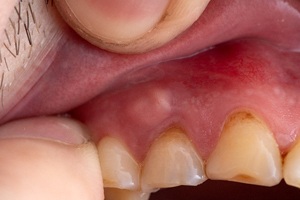
- Swelling or redness near the damaged tooth.
- A pimple-like bump on the gums located near the damaged tooth.
As soon as you notice any of these signs, contact our office immediately. Drs. Gagnon will tend to your discomfort immediately and develop a treatment plan to save and repair your tooth. Although it can be tempting to see if the pain disappears, the longer you wait, the more at risk you are for losing your tooth, so it’s best to not put it off.
Tips For a Speedy Recovery
Recovering from a root canal isn’t as bad as most people would have you believe. Following the aftercare instructions given to you by Dr. Gagnon will make sure you have a speedy recovery. Here’s what to do to steer clear of complications:
- Plan on eating foods that you don’t have to chew for the first few days following your procedure, such as smoothies.
- Keep your head elevated while you sleep to avoid swelling.
- Avoid smoking while your gums heal.
- Try not to exercise or exert yourself for the few days following your treatment because it can cause bleeding.
- Get the proper rest to speed up your healing time.
- Pay attention to how your mouth feels.
- Notice if your crown is uncomfortable or giving you problems.
Once your procedure has been completed, you’ll be able to rest assured knowing that your tooth is healthy and no longer going to cause you pain. If you have any questions following your appointment, our team of dental professionals would be more than happy to help!
Root Canal FAQs
Do root canals hurt?
This is one of the most-asked questions about root canals, especially among patients who struggle with dental-related anxiety. The good news is that the answer is “no.” After all, the first step of the procedure is always to numb your mouth thoroughly. Plus, your emergency dentist in South Portland, Dr. Jennifer Gagnon, will provide you with a list of aftercare instructions to help you stay comfortable once you return home and the numbing agent wears off (i.e., taking OTC pain medication as directed, rinsing with warm saltwater periodically, not chewing on that side of your mouth).
Can root canals be prevented?
Usually, yes! The best way to protect your smile from harm is by incorporating healthy habits into your daily routine, starting with brushing your teeth for two minutes each morning and evening. Additionally, you should avoid doing anything that could compromise the health of your teeth and gums, like smoking or chewing on ice cubes. Finally, come to our office every six months. These routine appointments play a crucial role in catching common oral health problems, like cavities, in the early stages.
What happens if you wait too long for a root canal?
The longer you wait, the worse the root of the problem will get. Eventually, there will even come a time when the tooth cannot be saved, which requires us to perform a tooth extraction. That’s why we strongly advise against taking the “wait and see” approach.
How soon can I eat after getting a root canal?
It’s important to wait until you’ve regained full sensation in your mouth, which usually takes a few hours. Even after you’re in the clear, you shouldn’t chew on that side of your mouth right away. You also shouldn’t eat anything too hot or cold since the area may feel a bit sensitive.
Do root canals make you sick?
There continues to be a few misconceptions about root canals, including that they can make you sick. That’s not the case! This myth stems from research that was conducted back in the 1920s. However, it was poorly designed, and the findings have been disproven on several occasions. As a result, there isn’t any scientific evidence to support the link between root canals and an increased risk of illness.
Are root canals covered by insurance?
Many dental insurance providers cover a portion of the cost of essential restorative care, including root canals. However, there are often waiting periods, annual maximums, and other restrictions that need to be considered. So, it’s important to read through the fine print on your plan. If you need any help, let us know! We’re happy to help our patients navigate the ins and outs of their benefits.
If you don’t have dental insurance, consider exploring the other financial solutions that are available at our office, like CareCredit! This trusted third-party financier offers convenient payment plans, which are especially helpful for uninsured patients who would prefer not to pay for the entire cost in one lump sum.